


About The Event
The conference provides an opportunity for the researchers, engineers, developers, and practitioners from academia and industry to discuss and address the experimental, theoretical work and methods in solving problems related to data science. Also to share their experience and exchange their ideas in the field of Data Science and Computational Intelligence. This conference will be useful for professionals working in data science, machine learning, artificial intelligence, IoT and cyber security.
Where
Department of Computer Science and Engineering, Sri Sivasubramaniya Nadar College of Engineering
When
12th - 14th February 2025
(Wednesday - Friday)
Committee
Chief Patron
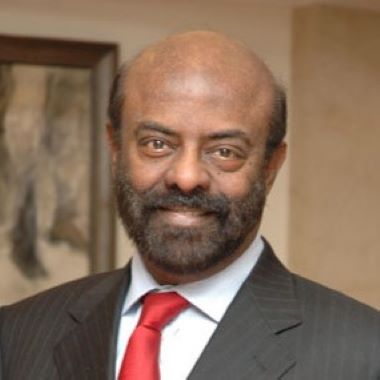
Padma Bushan Dr Shiv Nadar
Founder, SSN institutions
Chairman, HCL Technologies
Patron
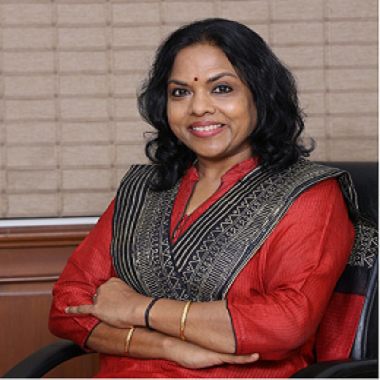
Dr. Kala Vijayakumar
President, SSN Institutions
Advisory Committee
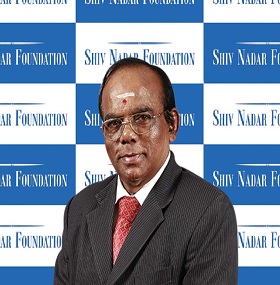
Dr. P. Ramasamy
Dean of Research, SSNCE
General Chair
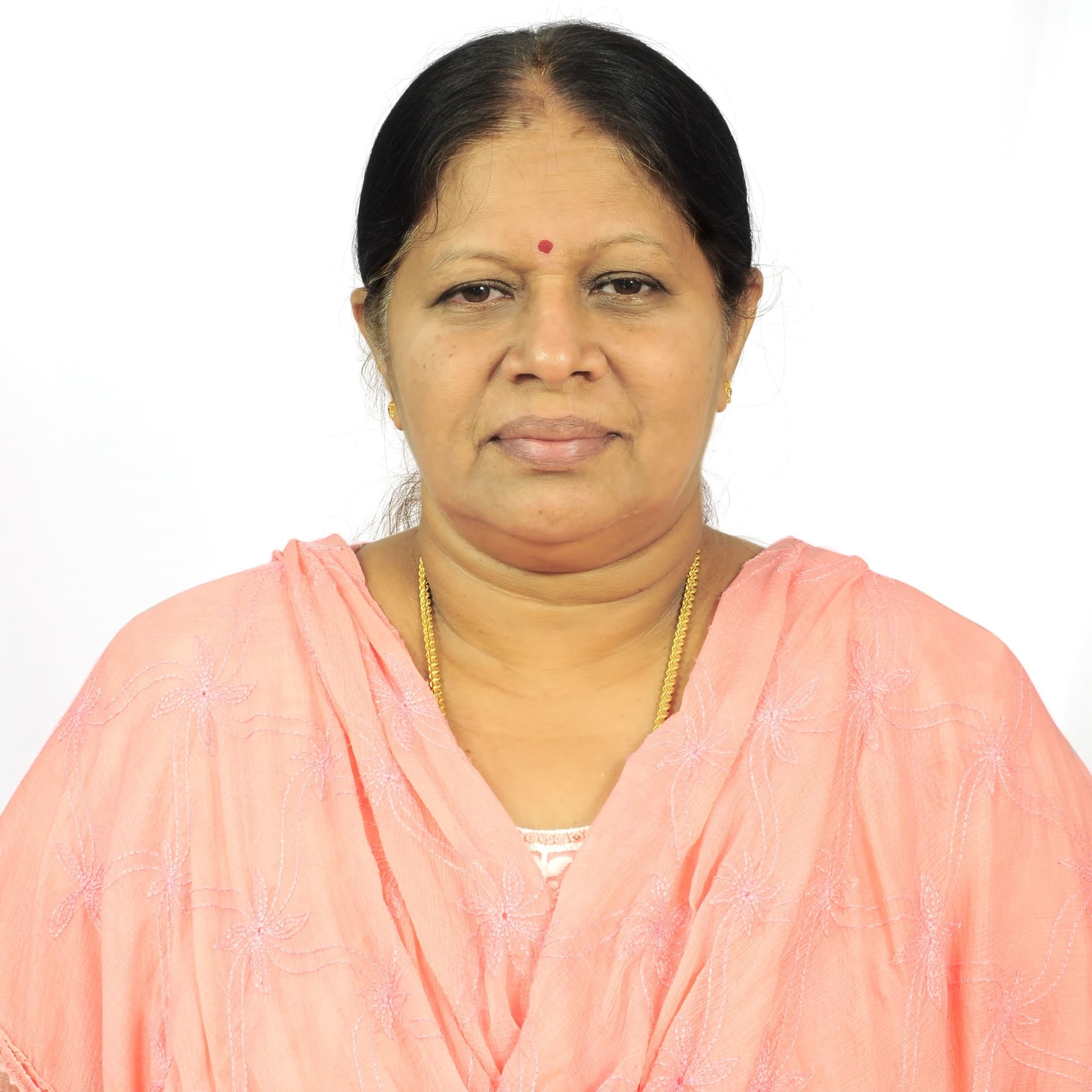
Dr. S. Radha
Principal, SSN CE
General Chair
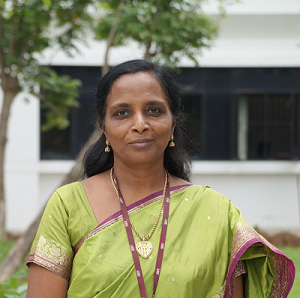
Dr. T. T. Mirnalinee
Professor and Head, CSE, SSN CE
Conference Chairs
Dr. J. Bhuvana
Dr. R. Priyadharsini
Dr. S. Angel Deborah
Dr. J.
Anusha
Dr. Swarnalakshmi R
Technical Program Committee
Prof. Eunika Mercier-Laurent, University of Reims Champagne-Ardenne, France
Dr. Vasile Palade, Professor of AI and Data Science, Coventry University, UK
Dr. György Kovács, Senior Lecturer at Lulea University of Technology, Sweden
Dr. Joseph Sakaya, Senior Data Scientist, App Orchid Inc, Greater Seattle Area, USA
Ms. Lavanaya Palani, Incident & Release Manager Solution Domain Property & Casualty Technology & Transformation, Zürich, CH - Schweiz
Dr. Kiran Reddy Mittapalle, Department of Information and Communications Engineering, Aalto University, Aalto, Finland
Dr. Xiao-Zhi Gao, Professor, School of Computing, University of Eastern Finland, Finland
Professor Rajkumar Roy, Executive Dean, School of Science & Technology, City St George’s, University of London, London
Dr.Andrew Kusiak, Professor, Department of Industrial and Systems Engineering, The University of Iowa, Iowa
Dr Kenzo Fujisue Project Professor, Keio University, Japan. Visiting Professor, Institute of Ethics in AI, Technical University of Munich. Adjust Professor, Indo Institute of Technology Hyderabad. Adjunct Professor, Korea Advanced Institute of Science and Technology.
Dr. Femilda Josephin Joseph Shobana Bai, Medical AI Researcher, İstinye University, Istanbul, Türkiye
Mr. SantoshKumar Pulijala, Sr. Net Developer, Illinois State Board of Education, Springfield, IL, USA
Dr. James Immanuel, Senior Data Scientist, EinNel Technologies, Chennai, India
Dr. Noor Mahammad SK, Associate Professor, Indian Institute of Information Technology, Design and Manufacturing, Kancheepuram
Dr. Rahul Raman, Senior Assistant Professor, Department of Computer Science and Engineering, Indian Institute of Information Technology, Design and Manufacturing Kancheepuram, Chennai, India
Dr. S. Selvakumar, Professor (HAG) and Former Director, IIIT Una (HP), India
Keynote Talks
VR/Metaverse applications in computational & STEM education & training
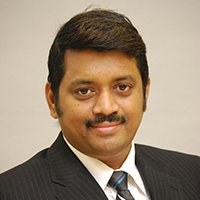
Dr. Magesh Chandramouli
Purdue University NW, USA
Fellow, Software Sustainability Institute, UK
Virtual Reality (VR) is a critical element of metaverse that signifies the vast interconnected network of immersive and interactive 3D digital worlds. Powered by various tools including AI, the transformative power of the metaverse can facilitate real- time immersive experiences that allow the users to navigate and interact with the digital worlds.
This keynote speech will demonstrate many VR frameworks that were designed for different VR applications developed for STEM education, computational thinking, and VR applications in other related disciplines. VR especially is at the heart of metaverse’s ability to provide interactive and especially, immersive experiences. Interaction is critical for learner engagement, which is critical for STEM learning and retention. Being able to explore and interact are critical factors in the learning process. The design of the virtual reality environment should consider the above factors in order to facilitate a seamless learning experience. Another critical aspect that is closely interrelated to design is ‘cueing’. The role and importance of visual, auditory, and tactile cueing in designing virtual environments has been highlighted by many notable works. The highly visual, interactive VR approach to training complex tasks holds several cognitive advantages and these allow the trainee to connect largely abstract and concrete concepts, thus reducing the cognitive load (e.g., memory, attention) on the trainee. With AR (augmented reality), the superimposition of task relevant information on visualizations of the task helps the trainee develop spatial skills and acquire schemas, as well as encourages active participation in the training.
For optimal user experience, careful consideration of the human sensory stimuli (visual, auditory, haptic, etc.) is inevitable. The various modes range from fully immersive to semi or partially immersive experiences as well as features that involve juxtaposing the real world and virtual objects. Considering the wide range of options available, besides selecting the optimal mode (VR/AR/MR) for specific application and audience, it is vital to design and deliver XR experiences in manufacturing for optimal user experience with reduce cognitive load and higher engagement. This webinar will demonstrate the successfully implemented smart and digital manufacturing applications with due consideration to the above UI/HCI factors.
International Speech Communication Association Distinguished Lecture Series 2024-25
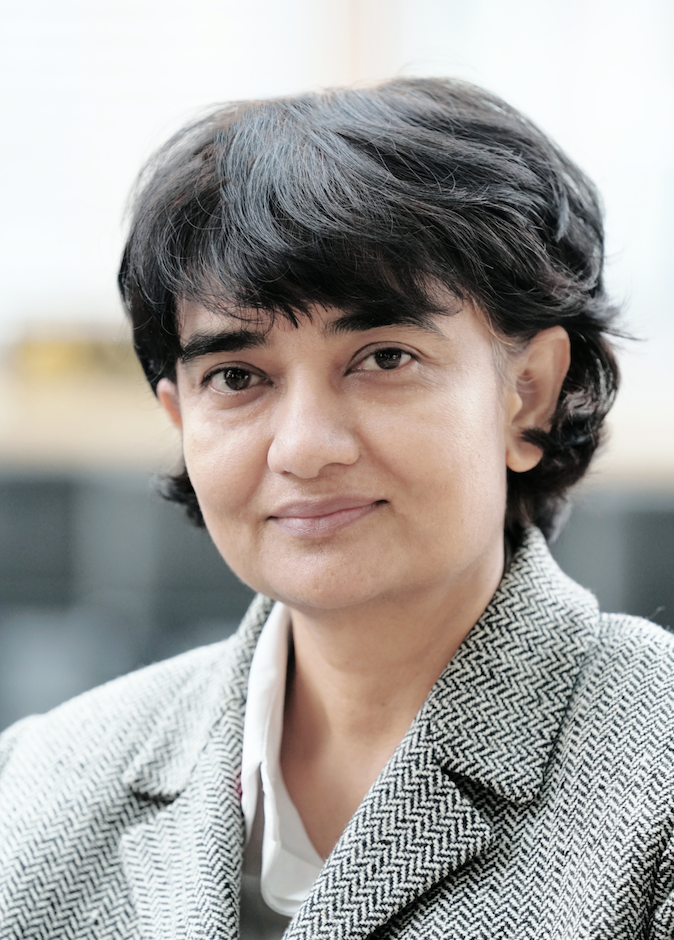
Prof. Rita Singh
Carnegie Mellon University, Pittsburgh, USA
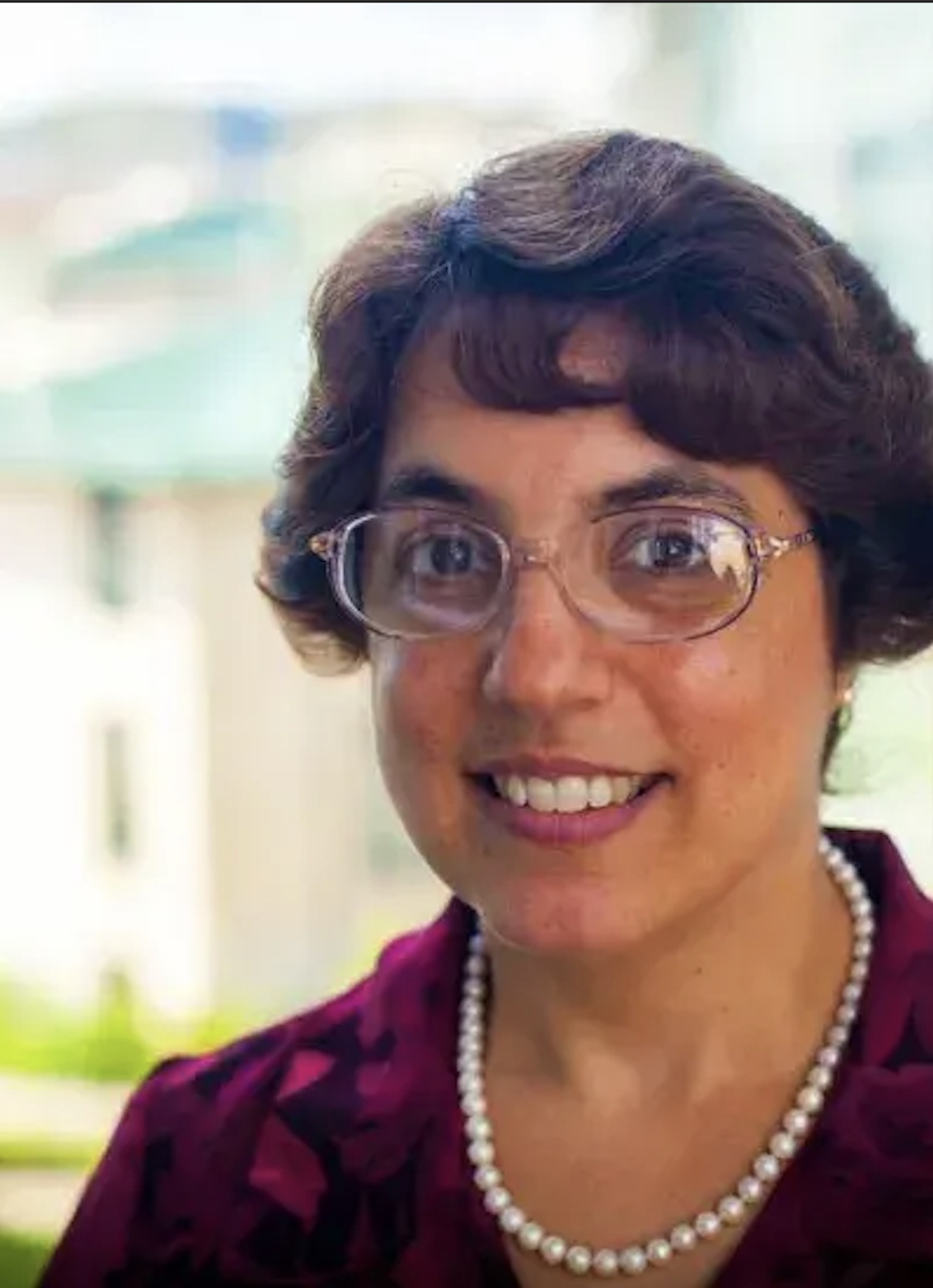
Harnessing Artificial Intelligence for Advancing Healthcare: From Computational Simulations to Digital Twin

Dr. Şenol Pişkin
İstinye University, Istanbul, Turkey
Schedule
INVITATION
OVERALL SCHEDULE
TRACK SCHEDULE
Pre-Conference Workshops
9th Workshop on Text analysis and Information Extraction & Retrieval (TIER 2025)
4th Workshop on Image Video and Analysis (IVA 4.0)
Call for Papers
We invite high-quality submissions describing original and unpublished work for the
conference.
The reviewed, accepted and presented papers will be published in Springer IFIP AICT. At least one author
should register for the conference.
The theme of this conference is Computational Intelligence Meets Quantum: Addressing Global
Sustainability Challenges
Submission Guidelines
Authors must follow the Springer LNCS formatting instructions. For camera-ready papers,
use Latex or Word style Author’s
instruction page. Each paper will receive at least three reviews. At least one author of each
accepted paper must register by the early registration date indicated on the conference website and
present the paper.
Submission Link (EquinOCS)
Topics of Interest
Topics of interest for the conference include, but are not restricted to:
Quantum Eco-Intelligence
Quantum Computing
Quantum Cryptography
Quantum Machine Learning
Quantum Ecology
Quantum Systems and Sustainable Energy
Quantum-Enabled Green Technologies
Cognitive modeling
Intelligent Systems for Smart and Sustainable Cities
AI-Driven IoT Systems
IoT and Cloud Integration
Autonomous IoT Systems
IoT Data Analytics and Big Data
Edge Computing in IoT
Energy-Efficient IoT Solutions
Sustainable Urban Planning with Data Driven Intelligence
Smart City Applications
Foundations and Advances in Computational Intelligence
Advances in Neural Networks, Deep Learning Architectures, and Optimization
Reinforcement Learning and Adaptive Control Systems
Evolutionary Computation, Genetic Algorithms, and Their Applications
Fuzzy Logic and Decision-Making under Uncertainty
Computer Vision, Natural Language Processing, Speech Recognition
3D Vision and Depth Estimation
Medical Imaging and Diagnostics
Generative Models and Image Synthesis
Face Recognition and Biometrics
Vision-Based Robotics and Autonomous Navigation
Real-Time Video Analysis and Surveillance
Multi-Modal Vision and Data Fusion
Anomaly Detection and Visual Inspection Systems
Human Pose Estimation and Gesture Recognition
Explainable AI in Computer Vision
Sentiment Analysis
Text Generation and Summarization Techniques
Large Language Models and Transformers for NLP
Automatic Speech Recognition and Understanding
Multilingual Speech Processing
Speaker Identification Technologies
Immersive Cognition
VR and Cognitive Enhancement
AR and Cognitive Assistance
MR and Cognitive Integration
Immersive Cognition in Education
Cognitive Therapy and Mental Health Applications
Immersive Perception and Multisensory Cognition
Cognitive Development and Child Education
Immersive Cognition for Creativity and Innovation
Ethics, Policy, and Governance in AI
Responsible AI and the Ethics of Autonomous Systems
Policy Frameworks for Sustainable AI
Bias, Fairness, and Transparency in AI Models
Explainable AI (XAI)
Data Privacy and Security in AI
Ethical Implications of AI in Healthcare
Innovations and Applications of Generative AI
Ethical Use of Generative AI
IMPORTANT DATES
Call for Papers: October 20 - November 15, 2024
New Deadline for Call for papers: November 30, 2024 December 15, 2024
Notification of Acceptance: January 15, 2025
Camera Ready Copy & Registration: January 23, 2025
Past Conferences
Call for Sponsorship
DIAMOND
- 5 Complimentary Passes
- Website Branding
- Brochure Branding
- Industry Session
- Stall
GOLD
- 3 Complimentary Passes
- Website Branding
- Brochure Branding
- Industry Session
- Table
SILVER
- 2 Complimentary Passes
- Website Branding
- Table
BRONZE
- 1 Complimentary Pass
- Website Branding
Registration Fees
Registration Fee for Conference Presentation
| Category | Indian | Foreigners(in USD) | Co-Author / Participant |
|---|---|---|---|
| Academicians / Research Scholars | Rs. 8500 | $250 | Rs. 3500 |
| Students | Rs. 6500 | $150 | Rs. 3000 |
| Industry Delegates | Rs. 9500 | $350 | Rs. 4000 |
Registration fee includes participation in all the activities of the conference, participation
certificate, and publication in IFIP proceedings
**Amount+18%GST & 10% discount for IFIP members
Event Venue

SSN College of Engineering,Old Mahabalipuram Road, Kalavakkam, Tamil Nadu 603110, India .
Visit the College's Website for more information .
How to Reach Venue?
- From Koyambedu: Bus to Kelambakkam (570, 570X) and then a local auto/bus to SSN.
- From Kilambakkam: Bus to Kelambakkam (555s, 515) and then a local auto/bus to SSN.
- From Egmore: Suburban train to Guindy or Tambaram, then a bus 570 (from Guindy) or 515, 551 (from Tambaram) to Kelambakkam, followed by a local auto/bus.
- From Chennai Central: Suburban train/Metro to Guindy and then a bus (570) to Kelambakkam, followed by a local bus/auto to SSN.
Cab Options
Ride-hailing services like Namma Yatri and FastTrack are available throughout the city.